Skip to content

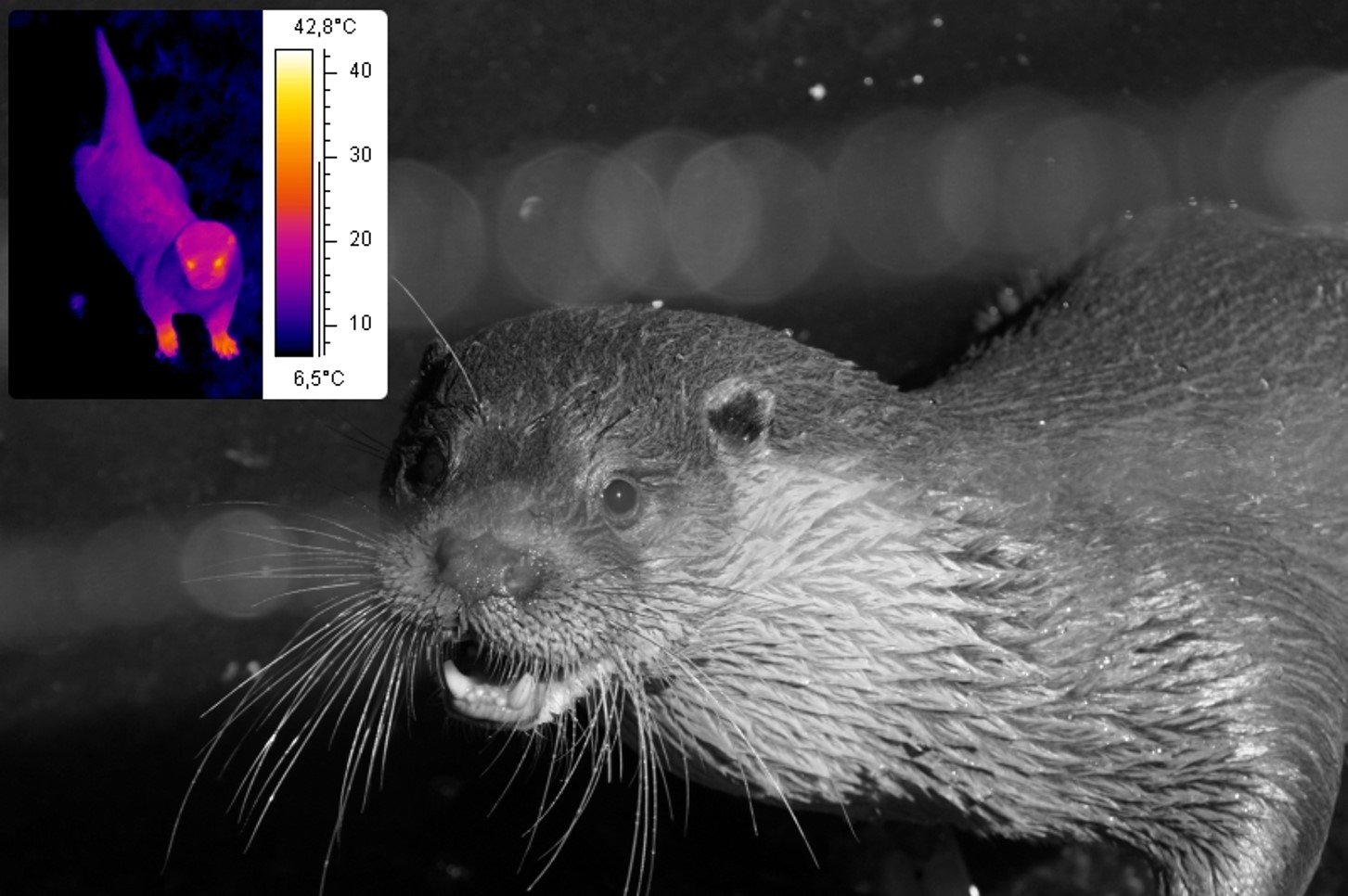
Fur Keeps Heat in and Cold Water Out

Otters and seals have a two‑layer fur system that prevents water penetration and creates an insulating layer. Aquatic mammals such as otters and seals face a serious physical challenge: they must stay warm while spending… 

Lotus

The sacred lotus attracts pollinators by producing heat through a nonphosphorylating electron transport pathway that releases energy by electron flow through an alternative respiratory pathway. Read more about the Lotus: https://asknature.org/strategy/electron-flow-generates-heat/#.XJNYwihKiUk .

Big ears to cool down!

“Elephants, too, have huge ears relative to body size, and they are also used for temperature regulation. It has been shown that blood passing through the ears of an African elephant may lose as much… 

Awsome, brown fat

Brown adipose tissue (BAT), also known as brown fat, is a type of fat that is found in hibernating animals and newborn mammals. Unlike white fat, which stores excess energy, brown fat is specialized to… 

Biomimicry, honeybees & beehives

“A honey bee colony is characterized by high genetic diversity among its workers, generated by high levels of multiple mating by its queen. Few clear benefits of this genetic diversity are known. Reed the complete… 

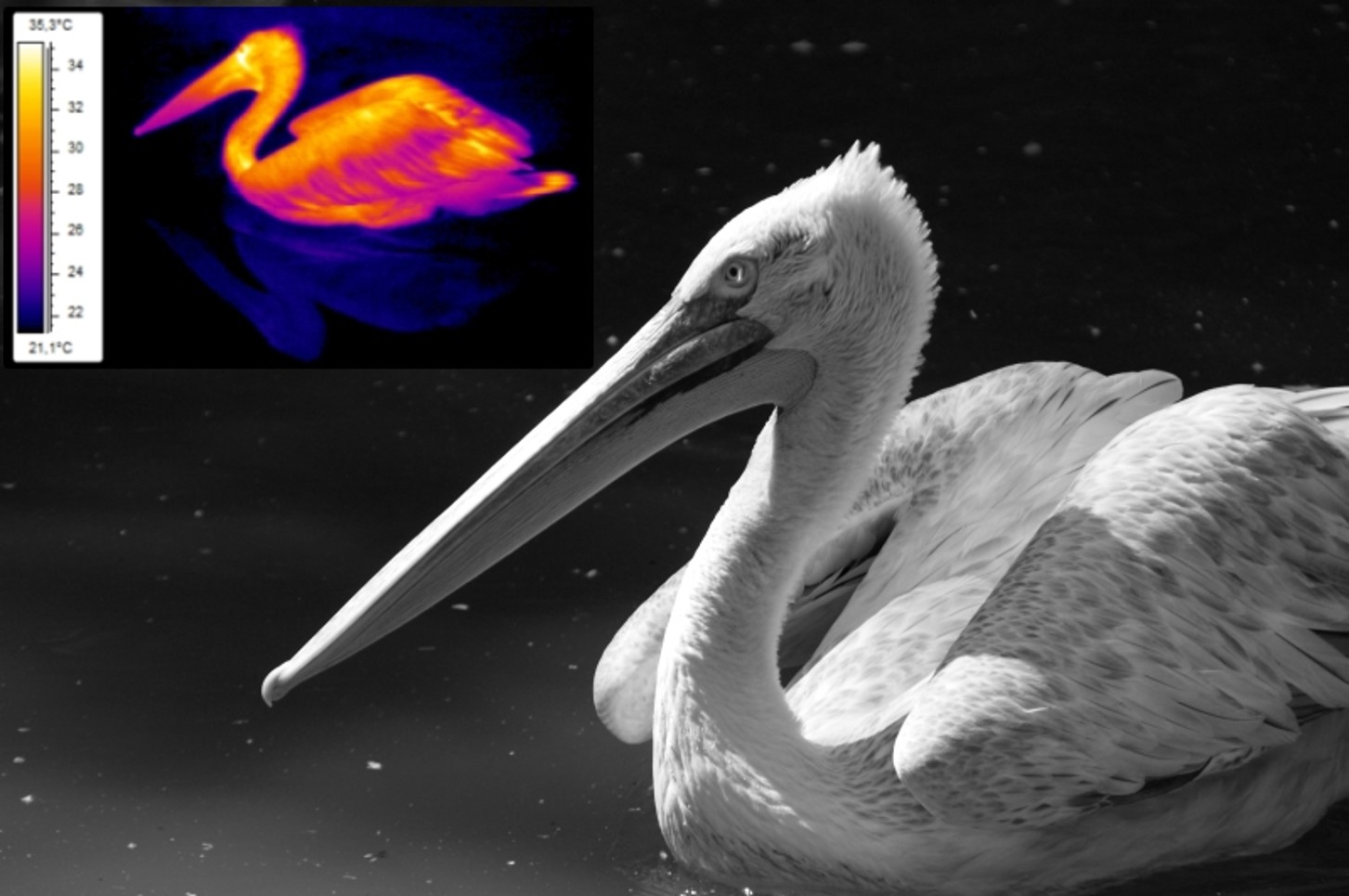
Pelican pouch for thermoregulation

Pelicans are fascinating birds that use several unique adaptations to regulate their body temperature and stay cool. One of these adaptations is the pouch, a stretchy, featherless sac located beneath their beak. While the pouch… 

Polar Bear special by NHM

The National History Museum in London made a special about polar bears, explaining how the polar bear fur functions, part of this exhibition is a video: Twitter – https://twitter.com/NHM_London/status/1100699124033298432 Facebook – https://www.facebook.com/naturalhistorymuseum/videos/1519055654896748/ Instagram – https://www.instagram.com/p/BuYZitXBPq0/?utm_source=ig_web_button_share_sheet Asknature also features…